As of 2025, the “Healthy Pleasure” trend is leading the home-cooked meal
market in Korea, with a focus on both health and taste. Home-cooked meals made
with fresh, seasonal ingredients help minimize nutrient loss and maximize
flavor and wellness. This guide summarizes the benefits of seasonal produce,
recommended ingredients and recipes by season, healthy cooking methods, and
practical tips for preparing nutritious home meals, all based on the latest
data and statistics.

1. Health Benefits and Trends of Seasonal Ingredients
2. Recommended Seasonal Ingredients and Their Benefits
| Season |
Key Ingredients |
Main Health Benefits |
| Spring |
Mugwort, wild chives, spinach, water parsley |
Detoxification, immune boost, fatigue recovery |
| Summer |
Cucumber, eggplant, tomato, melon, corn |
Hydration, body temperature control, skin health |
| Autumn |
Sweet potato, mushrooms, pumpkin, pear, fig |
Antioxidant, digestion, immunity |
| Winter |
Radish, napa cabbage, green onion, tangerine, lotus root |
Stomach protection, cold prevention, energy supply |
- Spring greens are rich in detoxifying properties,
summer produce helps with hydration, autumn ingredients are high in
antioxidants, and winter vegetables support immunity.
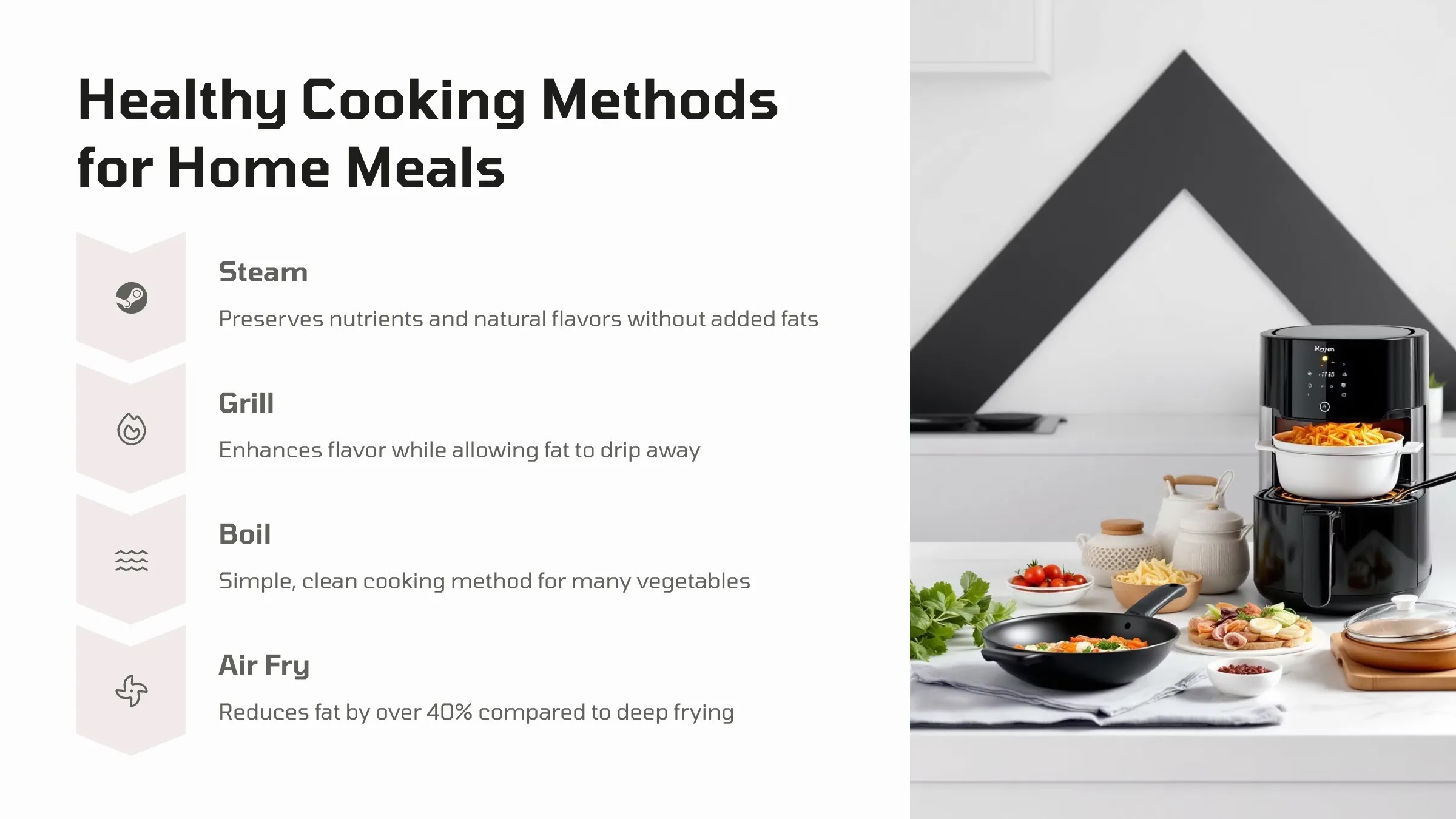
3. Healthy Cooking Methods for Home Meals
-
Use grilling, steaming, and boiling instead of frying to preserve
nutrients.
-
Using air fryers or ovens instead of deep-frying can reduce fat intake by
over 40%.
-
Natural seasonings (garlic, ginger, herbs, chili) can reduce sodium intake
while enhancing flavor.
-
The meal prep trend is popular in 2025—preparing several meals in advance
for refrigeration or freezing allows for easy healthy eating throughout a
busy week.
4. Seasonal Home-Cooked Meal Recipes
Spring: Namul Bibimbap (Spring Greens Mixed Rice)
-
Ingredients: Mugwort, wild chives, spinach, cooked rice, gochujang (red
chili paste)
-
Method: Blanch greens, season, place on rice, and mix with gochujang.
- Benefits: Detoxification, spring fatigue recovery
Summer: Cold Cucumber Soup & Grilled Eggplant
- Cold cucumber soup: Cucumber, vinegar, salt, ice, sesame seeds
- Grilled eggplant: Eggplant, olive oil, salt, pepper
- Benefits: Hydration, cooling effect
Autumn: Steamed Sweet Potato & Stir-fried Mushrooms
- Steamed sweet potato: Sweet potato, honey, nuts
-
Stir-fried mushrooms: Shiitake, oyster, enoki mushrooms, garlic, soy sauce
- Benefits: Antioxidant, digestion
Winter: Radish Soup & Fresh Kimchi
- Radish soup: Radish, beef, green onion, garlic, salt
- Fresh kimchi: Napa cabbage, chili powder, garlic, fish sauce
- Benefits: Stomach protection, immune boost
5. Practical Tips for Healthy Home Cooking
-
Meal Prep: Prepare a week’s worth of meals in advance and store in the
fridge or freezer to save time and maintain a healthy diet.
-
All-purpose sauces: Make versatile sauces with soy sauce, gochujang,
garlic, etc., to simplify meal preparation.
-
Air fryer & oven: Use these appliances for oil-free cooking of items
like fries, chicken, and tofu.
6. Advantages of Healthy Home-Cooked Meals
-
Nutritional balance: Seasonal ingredients naturally provide essential
nutrients.
-
Emotional well-being: Home-cooked meals strengthen family bonds and
provide psychological comfort.
-
Eco-friendly: Using local and seasonal produce reduces carbon footprint
and supports local economies.
-
Cost savings: Home-cooked meals can save **30–50%** compared to eating
out.
7. Conclusion
The essence of healthy home-cooked meals in 2025 lies in the freshness and
nutritional balance of seasonal ingredients. By using a variety of seasonal
produce and healthy cooking methods, you can enjoy delicious, nutritious, and
eco-friendly meals.
Start your journey to better health today with
seasonal ingredients from your kitchen—your well-being begins at the dinner
table!




_11zon.webp)


0 Comments